
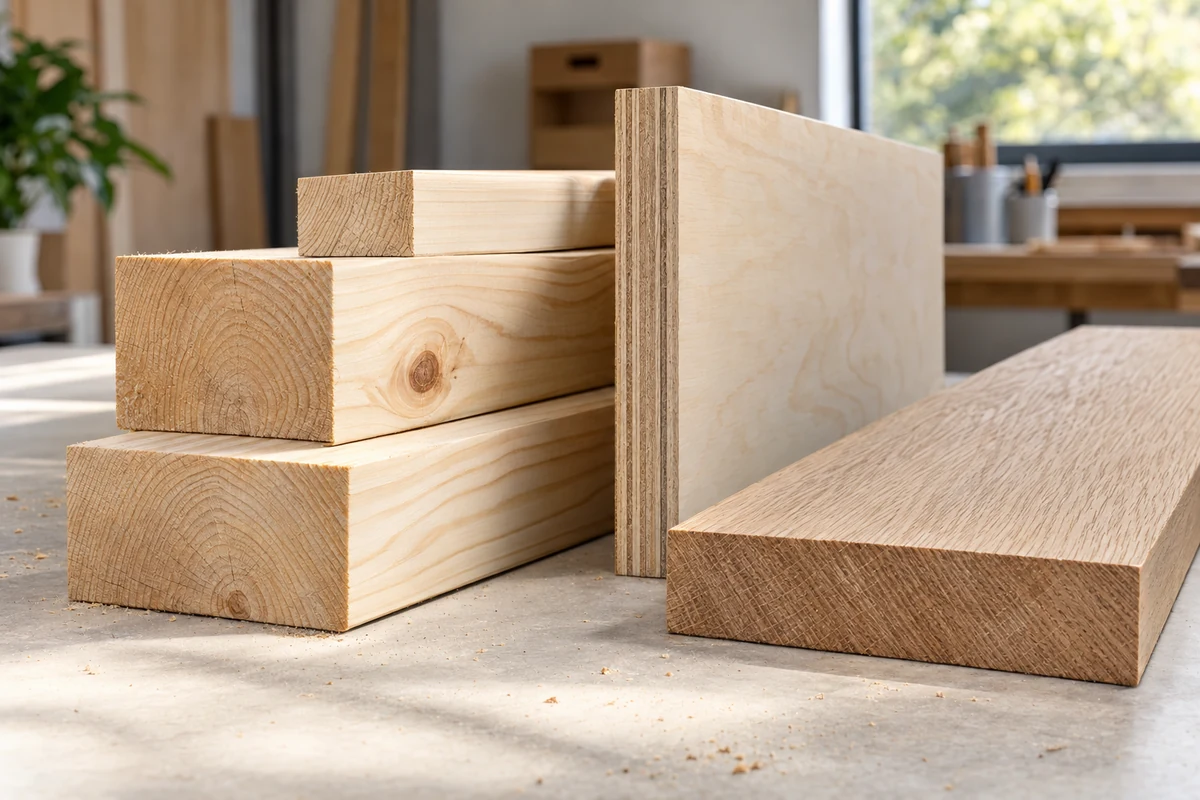
Drywall, insulation & concrete
Insulation, drywall, tape and joint compound, drywall tools, concrete, mortar and masonry, pavers, and vapor barriers at published prices. Sold by the bag, roll, sheet or piece, as stated on the listing.

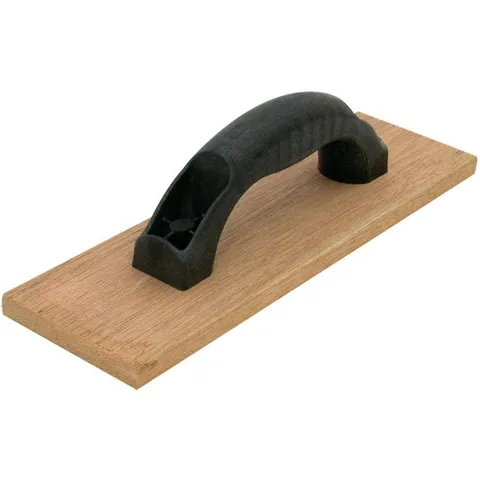
Marshalltown
3.5 in wide · 16 in long Wood Hand Float, Smooth
$9.46 each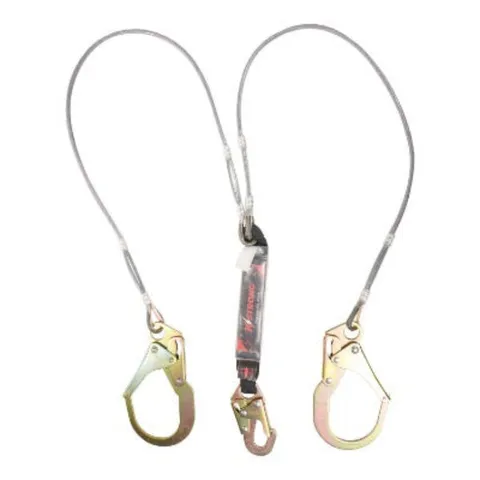
Kstrong
Shock Absorbing Lanyard - Clear Shock Pack - Wire Cable Leading Edge - Twin Leg - 1 Snap Hooks - 2 Rebar Hooks - 6ft
$124.98 each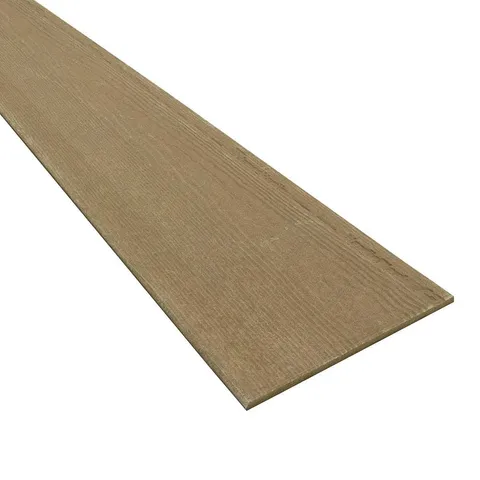
James Hardie
5/16 in × 8-1/4 in × 12 ft HardiePlank Select Cedarmill Lap Siding
$15.28 each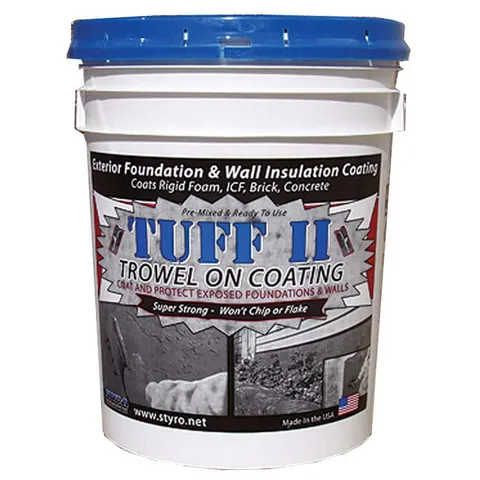
Styro Industries
Tuff II White Foundation Coating - 5 gal.
$125.70 each
Boltmaster
1/2 in deep · 36 in long Steel Weldable Rebar
$8.99 each
PROWORX
18 in. Flat Steel Construction Stakes, 1-1/2 × 18 in
$8.98 each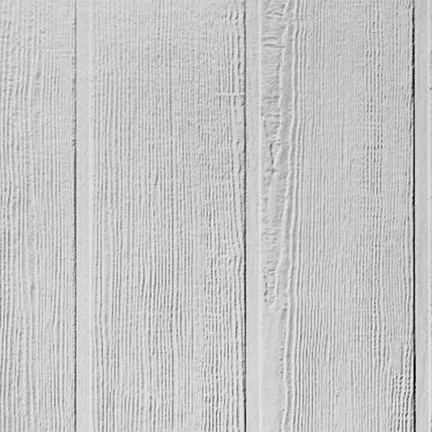
James Hardie
5/16 in × 4 ft × 10 ft HardiePanel HZ10 Sierra 8 Board Primed
$78.96 each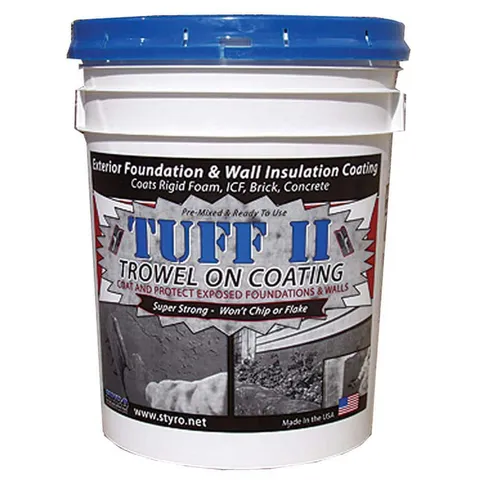
Styro Industries
Tuff II Taupe Sand Foundation Coating - 5 gal.
$125.75 each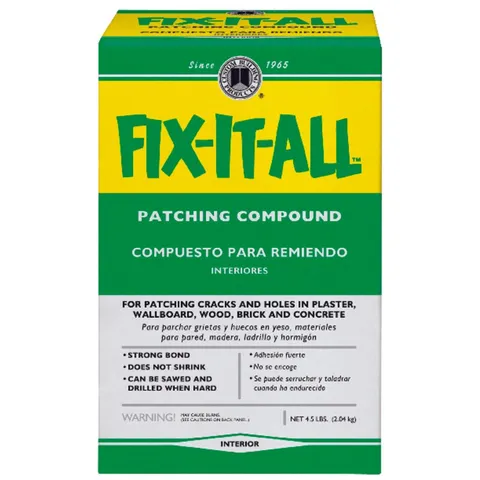
Custom Building Products
Fix-It-All Patching Compound 4.5 lb
$8.59 each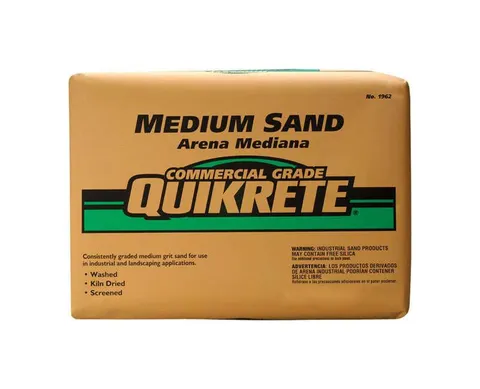
Quikrete
Brown Medium Grade Sand 50 lb
$8.59 each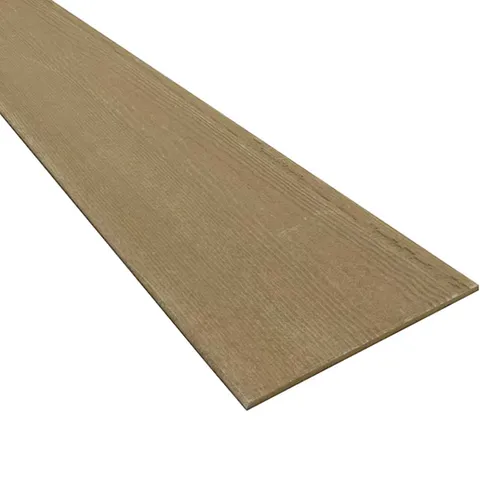
James Hardie
5/16" 8-1/4 in × 12 ft Hardie Plank Select Cedarmill Eased Edge Lap Siding for HardieZone 5 Primed
$14.87 each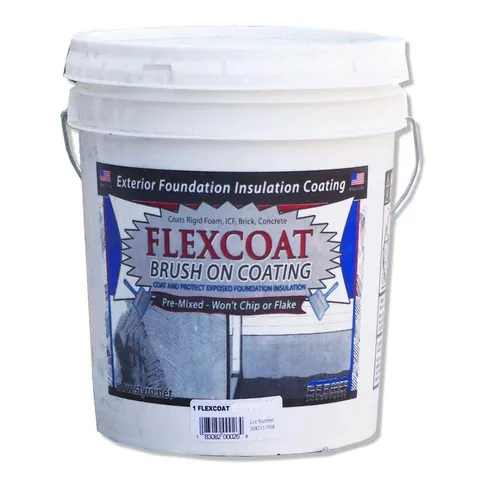
Styro Industries
FlexCoat Wheaton Foundation Coating, 5 Gallon
$134.28 each
Marshalltown Company
Marshalltown QLT E410 14 in. Steel Wire Brush with Scraper, 33 Gauge
$8.50 each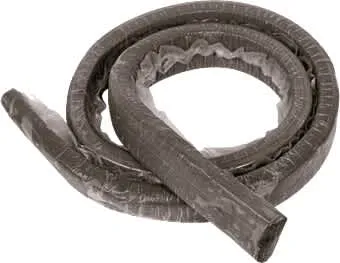
EPRO
BentoTak Self-Adhered Bentonite Waterstop Strip, 65 ft. 7 in., Box of 20
$146.00/box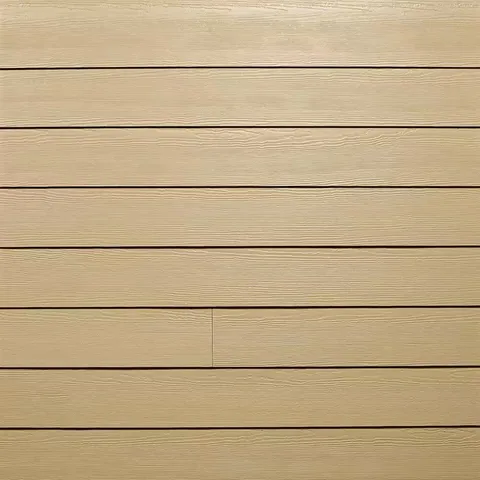
James Hardie
5/16" 8-1/4 in × 12 ft Hardie Plank Select Cedarmill Lap Siding for HardieZone 10 Primed
$14.45 each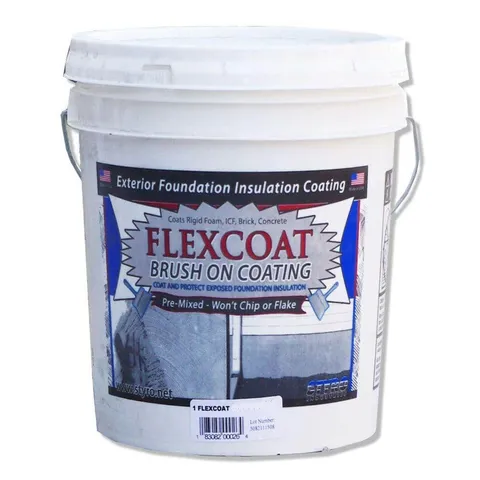
Styro Industries
FlexCoat Linens Foundation Coating, 5 Gallon
$136.60 each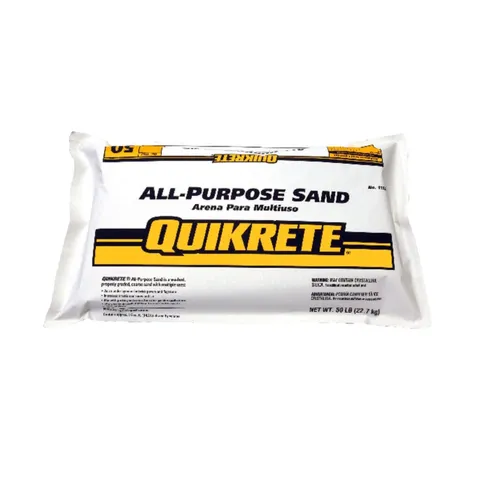
Quikrete
Brown All-Purpose Sand 50 lb
$7.99 each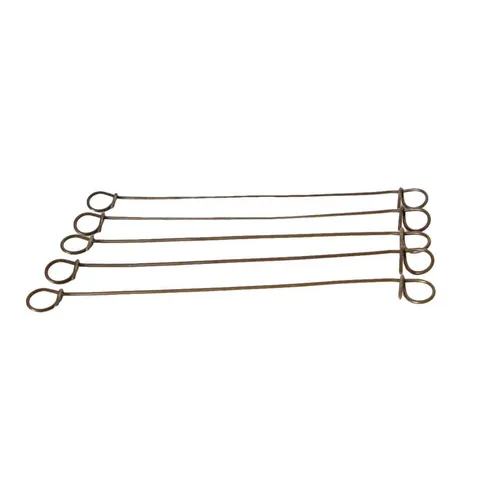
PROWORX
16-Gauge 6 in. Pre-Cut Rebar Wire Ties, 100-Pack
$7.90/pack
James Hardie
5/16" 4 × 10 ft Hardie Panel Smooth Vertical Siding for HardieZone 10 Primed
$82.47 each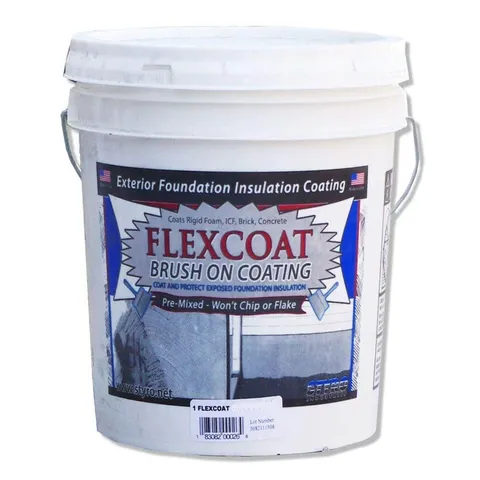
Styro Industries
FlexCoat Vacation Foundation Coating - 5 gal.
$144.88 each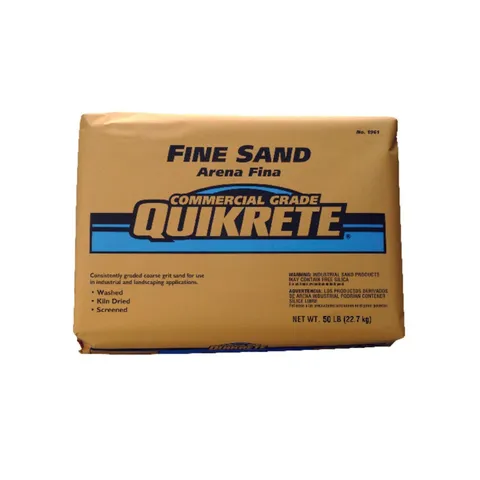
Quikrete
Brown Fine Grade Sand 50 lb
$7.99 each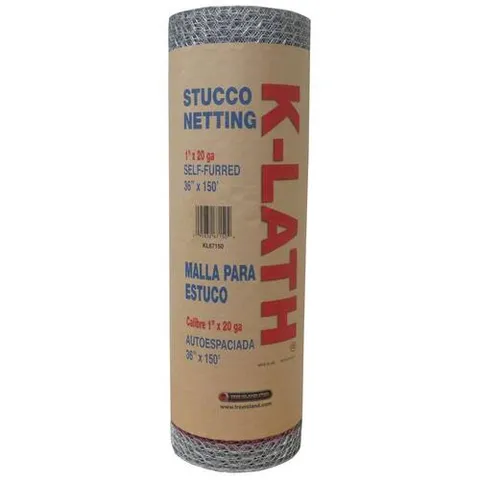
Tree Island
K-Lath 1-Kote Lath 20ga
$151.25 each
James Hardie
5/16" 7-1/4 in × 12 ft Hardie Plank Smooth Lap Siding for HardieZone 10 Primed
$10.84 each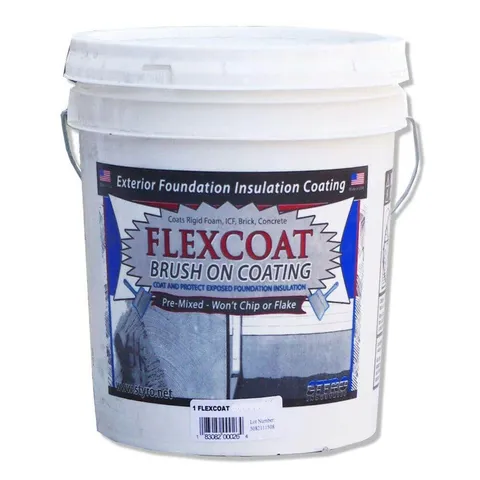
Styro Industries
FlexCoat Thicket Brush-On Foundation Coating, 5 Gallon
$152.97 each
Buying guide
Before you order drywall, insulation & concrete
What’s in this department
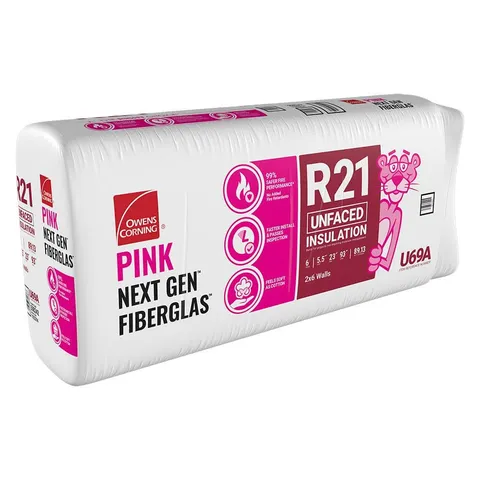
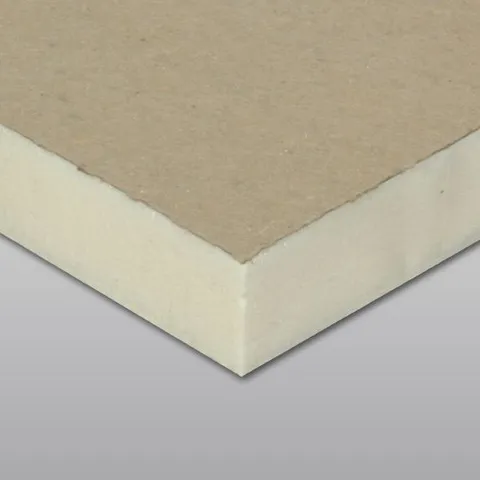
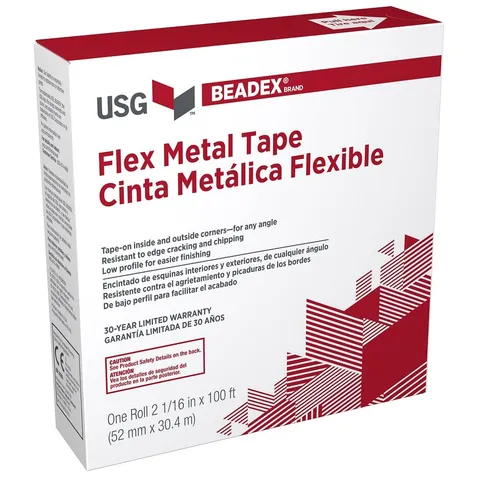
Fiberglass and mineral wool batts and rolls, foam board and roof insulation, drywall sheets, corner bead, joint tape and joint compound, drywall knives, mud pans, hawks, stilts, panel carriers and texture tools, ready-mix concrete, mortar, cement and masonry supplies, concrete pavers, air and vapor barriers and house wrap, and tile mortar and grout.
How it’s sold
Insulation is sold by the bag, roll, bundle or board, drywall by the sheet, concrete and mortar by the bag, tape by the roll and tools each, as the listing states.
What to check before you buy
- Insulation: the R-value, the stud or joist spacing it fits (15 or 23 in. wide), and faced or unfaced
- Drywall: thickness (1/4, 3/8, 1/2 or 5/8 in.), sheet size, and a moisture or fire rating where the room needs one
- Joint compound: all-purpose, lightweight or setting-type
- Concrete: the mix for the job (general purpose, fast-setting or high-strength) and the bag weight
- Vapor barriers: whether your climate zone and code call for one, and on which side
How to calculate quantity
Insulation: the area to insulate divided by the square feet per bag or roll. Drywall: the wall and ceiling area divided by the sheet’s area (32 sq ft for a 4 × 8 ft sheet), plus about 10% for cuts. Concrete: the volume in cubic feet divided by the yield per bag.
Quick answers
How many bags of concrete do I need?
Work out the volume: length × width × depth in feet. A 4 in. slab is 0.33 ft deep, so 10 × 10 ft is about 33 cu ft. An 80 lb bag of standard mix yields about 0.6 cu ft, so about 56 bags. Check the yield the bag states.
What R-value of insulation do I need?
It depends on your climate zone and where it goes: walls, attic or floor. Your local energy code and the U.S. Department of Energy list the recommended R-values by zone.
What thickness of drywall should I use?
1/2 in. is common on walls and many ceilings; 5/8 in. is used in fire-rated assemblies and under wider ceiling joist spacing. Follow your local code where a wall or ceiling must be fire-rated.
Is there a minimum order?
Online orders have a $399 minimum. All orders are subject to approval. You're not charged until your order is approved and ready to ship. Cancel free before then.
Where do you ship, and how is delivery charged?
Super Arbor ships to the 48 contiguous states. Delivery and taxes are calculated at checkout.
Can I get one price for my whole material list?
Yes. Paste your list: every line we can match comes back at its published price, ready to add to your cart. For anything we can't match, call 1.877.490.7099, 9 am–8 pm PT, Monday to Friday.